
At rose plastic, environmental protection and the responsible use of raw materials are more than mere buzzwords in the ongoing sustainability debate — they are principles we have put into practice for decades. Sustainable business practices have long been firmly embedded in our corporate culture.

Well packaged — for a brighter future.
We optimize our processes with a long-term view, reducing both resource use and emissions through responsible action. We create efficient workflows, measurable improvements, and a structured approach to energy and materials.
Explore Company & Climate
Corporate sustainability starts with clear accountability, dependable partnerships, and consistent standards. We believe that responsible resource use and emissions reduction go hand in hand with compliance, transparency, and continuous process improvement. This approach enables us to steadily embed sustainability across our company.
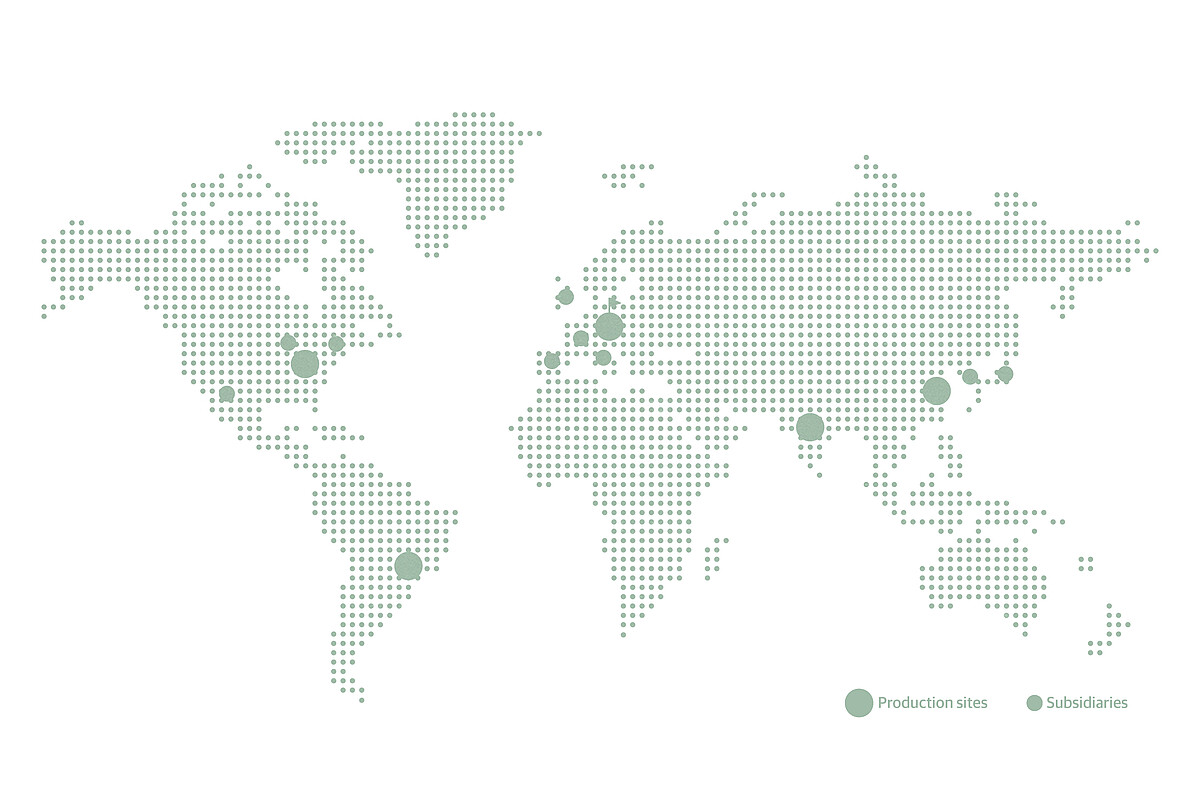
Modern manufacturing, optimized material use, and the continued expansion of in-house energy generation help us steadily reduce resource consumption. With five production sites worldwide, we keep transport routes as short as possible and make a measurable contribution to climate protection. At rose plastic, sustainability is not a fixed destination, but an ongoing journey shaped by taking responsibility, continuously improving, and aligning commercial success with environmental and social goals.
Our path toward becoming a more sustainable company
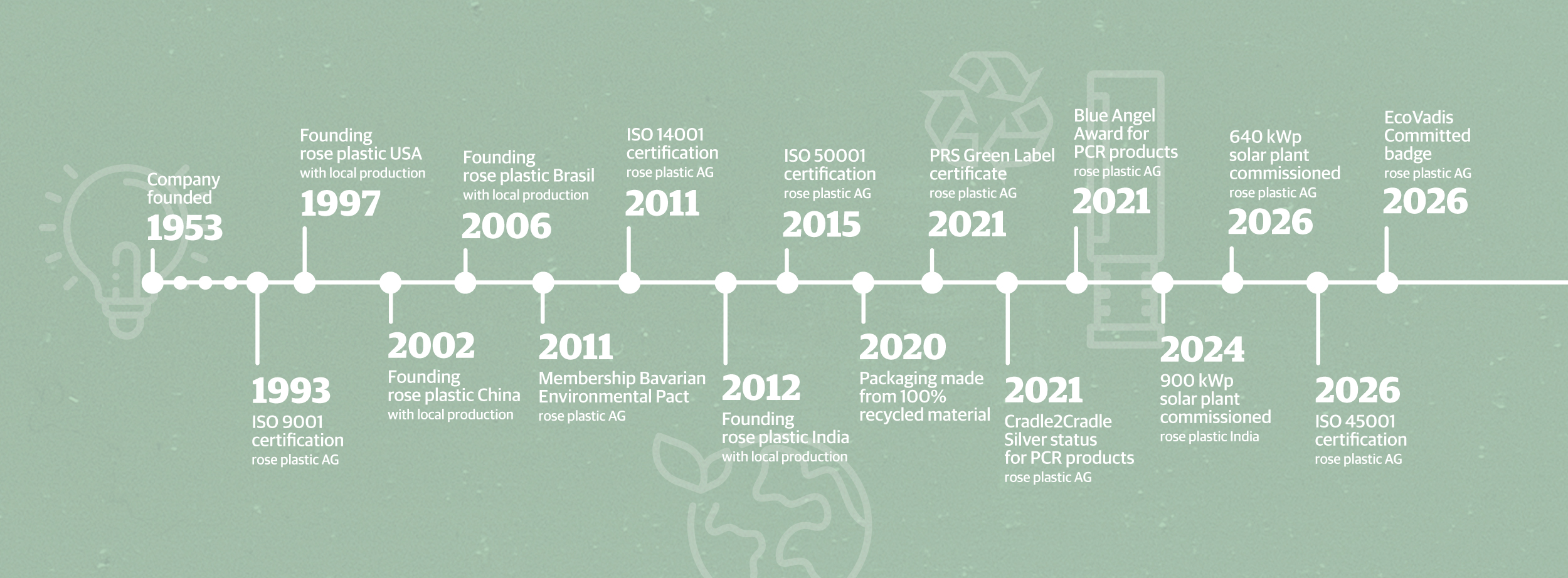
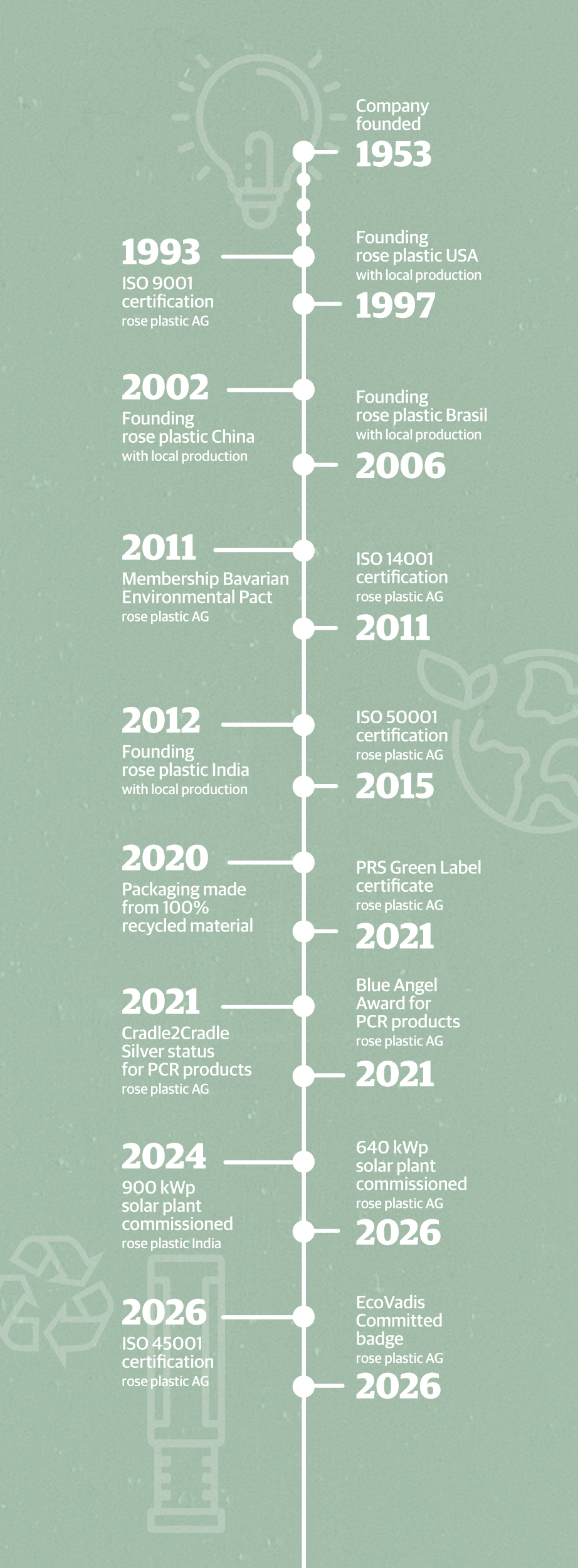
Conserve resources. Ensure quality. Take responsibility.
For more than 70 years, we have thrived as a family-run business — guided by the belief that lasting success only comes from acting responsibly. We see sustainability as a process of continuous improvement. Here are some of the ways we put that into practice:
ISO 9001
Consistent quality management and structured processes
Compliance and ethics
Clear rules to prevent corruption
and misconduct
CO₂ transparency
Corporate carbon footprint tracking and targeted reduction measures
Continuous improvement
Regular audits and ongoing
development of our systems
Supply chain responsibility
Integration of human rights
and ESG standards
Resource efficiency
Optimized material use
and waste streams
Our expertise travels — not our products
We invest worldwide in efficient technologies, responsible resource use, and — where it makes sense — in-house energy generation. With five production sites located around the world, we avoid long transport routes, save time, and reduce unnecessary CO₂ emissions. This strengthens supply reliability and keeps us close to our customers. Shorter routes make a real difference alongside material selection, capacity utilization, and logistics planning.
Quality as the foundation for sustainable packaging solutions
Our certified management systems create transparency, reliability, and stable processes worldwide. This means our customers can count on consistently high quality, wherever they are. ISO 9001 certification at all our global sites is central to maintaining these high standards and reflects a shared understanding of quality across the company.
Our headquarters in Germany is also certified to ISO 14001, ISO 50001, and ISO 45001.
Consistent Quality Management Worldwide
ISO 9001 certification for all our production sites reflects a consistent approach to quality. This internationally recognized standard defines the requirements for quality management systems across all industries. It is based on clear principles such as a strong customer focus, the continuous improvement of our processes, and the ongoing assessment of risks and opportunities. This ensures that our products reliably meet our customers’ requirements and comply with all applicable legal regulations.


Responsibility along the value chain
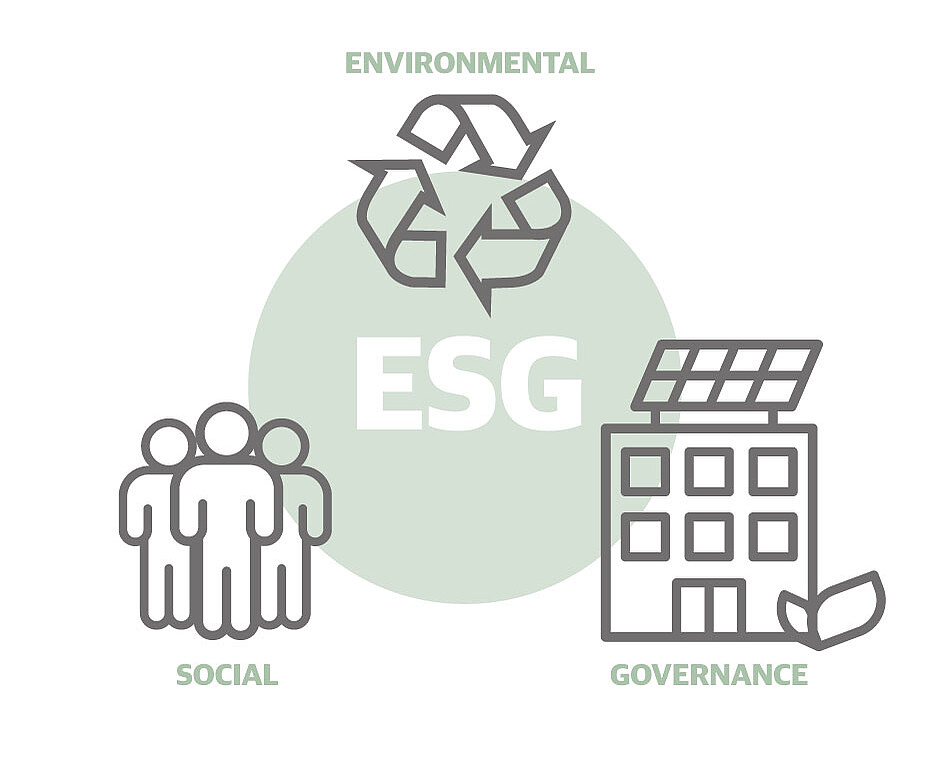
Sustainability means more to us than protecting the environment and climate. It also means acting responsibly toward people. As part of our ESG approach (Environment, Social, Governance) we are committed to providing fair working conditions, protecting human rights, and ensuring responsible conduct throughout the supply chain.
We expect our own employees and our partners to comply with applicable laws, international standards, and ethical principles — including those relating to occupational safety, freedom from discrimination, and the prohibition of child labor and forced labor.
We see our supplier relationships as long-term partnerships where quality, reliability, and sustainability go hand in hand. Through clear requirements, structured processes, and continuous improvement, we increase transparency, sharpen risk awareness, and help to ensure responsible conduct across the value chain.
