Conserving resources. Shaping the future.

Thoughtful material selection and design for recycling help create a functioning material cycle. We’ll show you what’s possible and where technical or regulatory limits need to be considered.

Explore Circularity & Material

Plastic is too valuable to be used just once. What matters is what happens afterward: Does the material remain in circulation, or is it lost? A functioning closed-loop economy ensures that existing resources remain in use via the material cycle. That’s why we design solutions that are fully recyclable — whether made from virgin plastic or recycled material.

Recycled material, design for recycling, and thoughtful material selection help conserve raw materials and reduce emissions. This approach allows waste to be turned back into a valuable raw material and products to become solutions with long-term value. Together with our partners, we create circular solutions instead of piles of waste.

Bioplastics can also be a viable alternative to conventional plastics. This must be assessed on a case-by-case basis to determine whether and under what conditions these materials can be integrated into existing recycling streams.

What is recycled material?

Recycled material refers to plastic that has been processed after use and reused as a raw material. For businesses, using recycled materials helps reduce the consumption of virgin fossil-based resources while addressing regulatory requirements and customer expectations around sustainability. Depending on their source and processing method, recycled materials differ in terms of their properties and potential applications.

PCR (post-consumer recyclate)

Material from used products, such as packaging, that is collected, sorted, and recycled after use. PCR comes from existing waste streams and therefore requires more intensive processing. At the same time, it makes a direct contribution to the closed-loop economy by making used material available again.

PIR (post-industrial recyclate)

Material recovered from industrial production waste. This includes clean residues, punched waste, sprues, and offcuts. It is generated during controlled manufacturing processes and generally offers consistent, predictable material quality. Because it has not yet reached consumers as a finished product, it does not come from the consumer waste stream.

Both types of recycled material can help reduce the use of virgin plastic. Which solution makes sense in each case depends on the technical requirements, availability, and the relevant sustainability goals. However, PCR has greater environmental relevance because it returns material from existing waste streams to the cycle. At the same time, processing PCR places stricter requirements on quality assurance and material management. For our packaging made from recycled material, we use only PCR to support a meaningful closed-loop economy and prepare for future regulatory requirements.

Using PCR effectively in the material cycle

PCR returns plastics from the waste stream to the value chain and can help reduce the need for fossil-based raw materials. Whether PCR is the right choice, however, depends on the specific application and its requirements — including quality, color consistency, odor, and availability.

After use, recycled materials are typically recycled again together with other plastics. While chemical analysis can indicate how often a plastic could theoretically be recycled, real-world recycling works differently. In practice, individual plastics are not repeatedly recycled in isolation. Instead, streams of used plastic are sorted, processed, and prepared for new applications — often together with other recycled materials or virgin material. Regular quality control helps ensure consistent quality and properties within the recycled materials.

Whether and how often a material can be recycled depends on many factors, including the type of plastic, the quality of sorting and cleaning, the packaging design, and the requirements for the new product. What matters most is that the recovered material can be turned into high-quality recycled material for subsequent use. This is exactly what modern recyclable packaging solutions and the targeted use of recycled materials are designed to achieve.
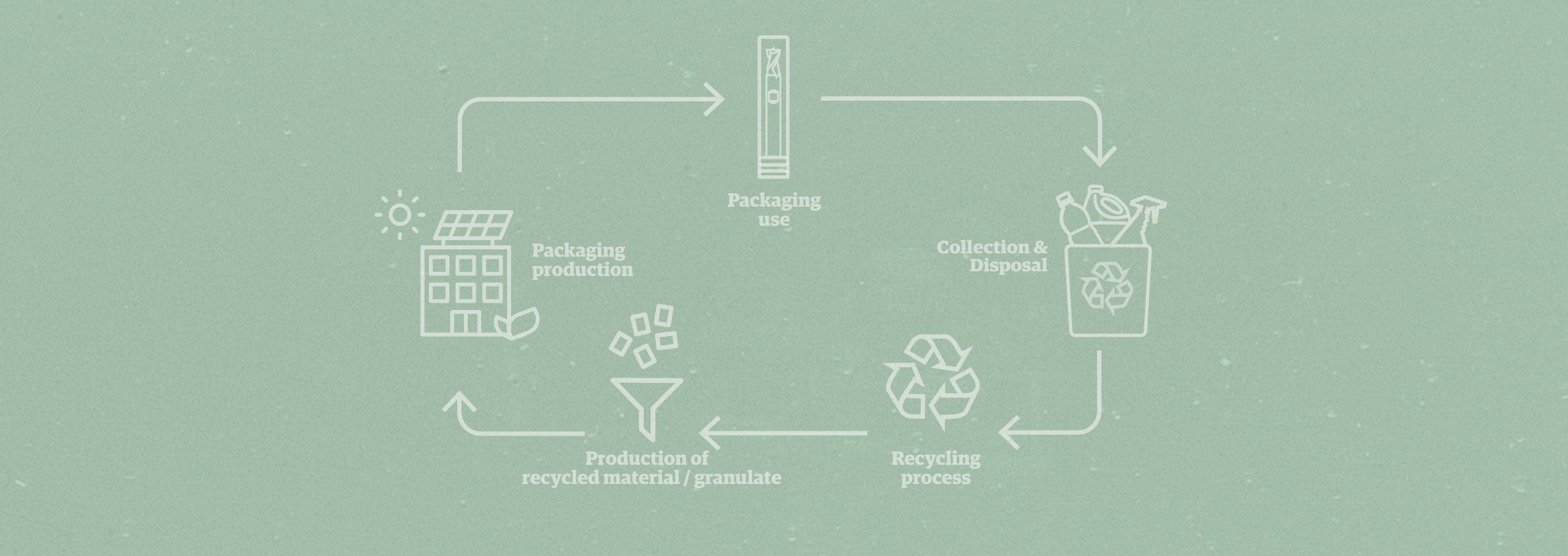
Circularity

Keeping resources in the material cycle

Our goal is to design packaging that is as easy to recycle as possible, helping ensure that recycled material can be reused at a high level of quality. In this way, we help keep valuable materials in circulation while recognizing that real-world recycling depends on the right balance of collection, sorting, processing, and targeted material use.

CO₂ benefits of recycled material

Using recycled material instead of virgin plastic can significantly reduce greenhouse gas emissions, making it the smarter choice from a carbon-footprint perspective.

However, the actual savings depend on the material, the proportion of recycled content, the processing method, and the applied calculation approach. That’s why blanket statements rarely tell the full story.

Recyclability thanks to mono-material packaging

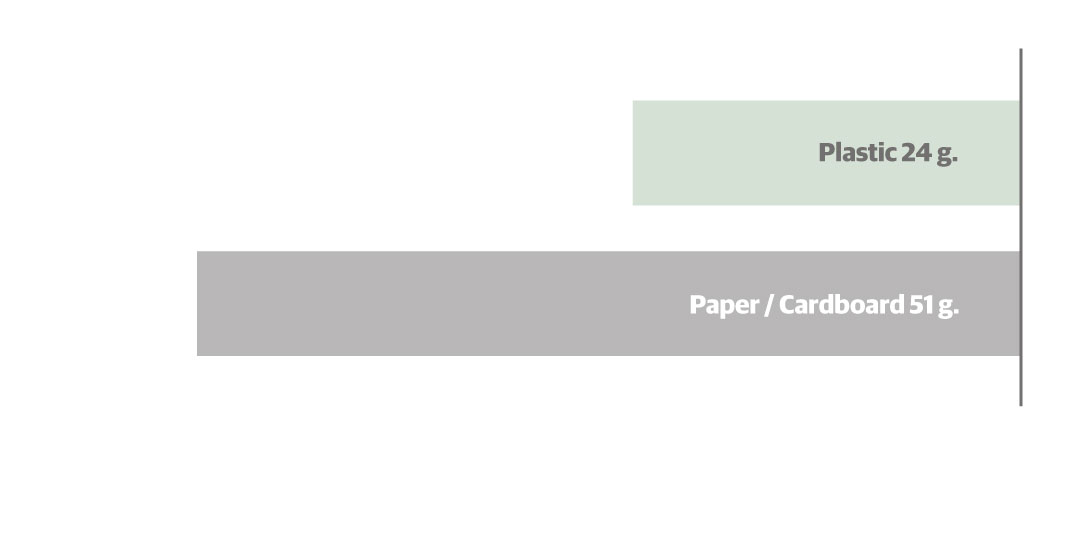
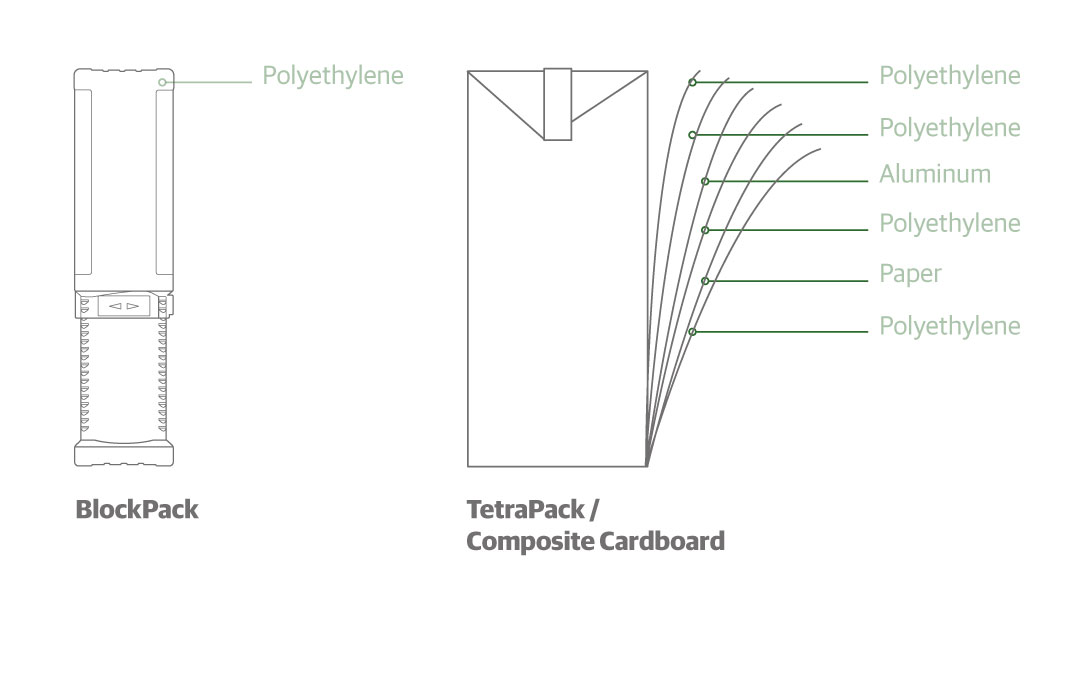
Products made from a single material are much easier to recycle than composite solutions. For this reason, we deliberately focus on mono-material packaging. By avoiding composite materials, we:

  • make sorting easier in recycling facilities
  • help create more stable recycling streams
  • increase the amount of material that is actually recovered and reused

Good recyclability also depends on factors such as design, color, labeling, additives, and the available waste management infrastructure.

Design for recycling

Sustainability starts at the product development stage. With our “design for recycling” approach, we consider from the outset how easily a product can be recycled at the end of its life. Key factors include: 

  • Mono-material design or separable components
  • Fewer material types and clearly defined material structures
  • Colors that are easy to sort, and the right choice of color
  • Fewer additives
  • Recycling-friendly labeling

Recycled packaging instead of virgin plastic? Absolutely.

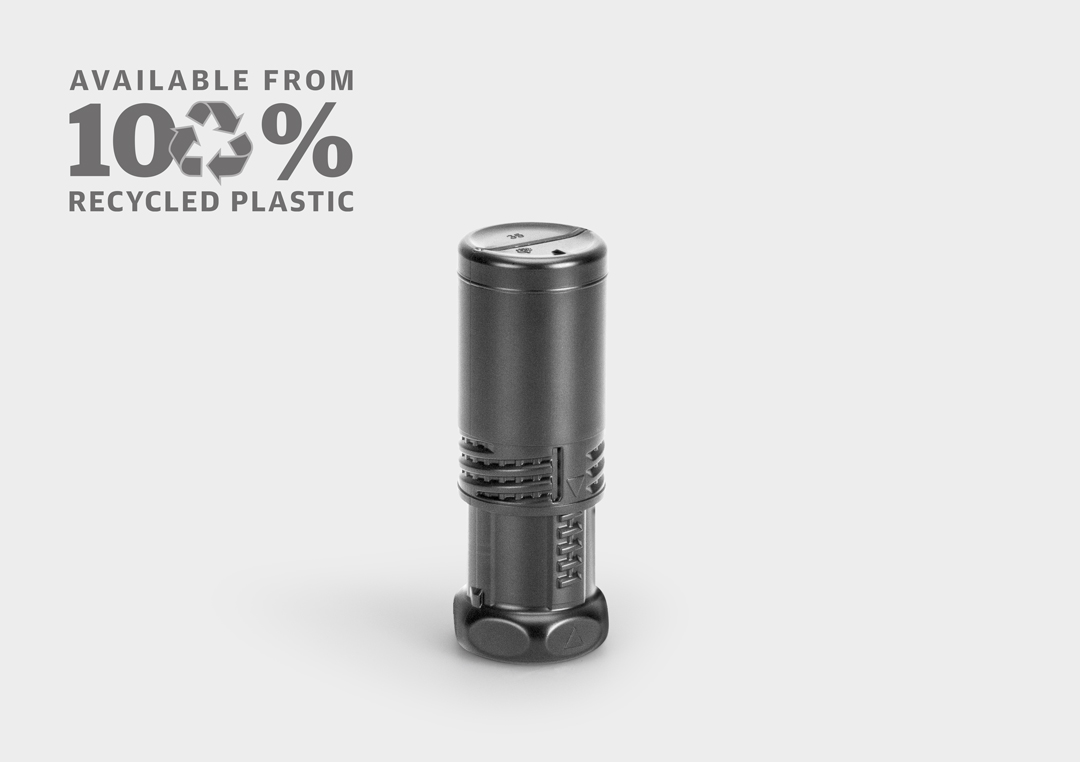
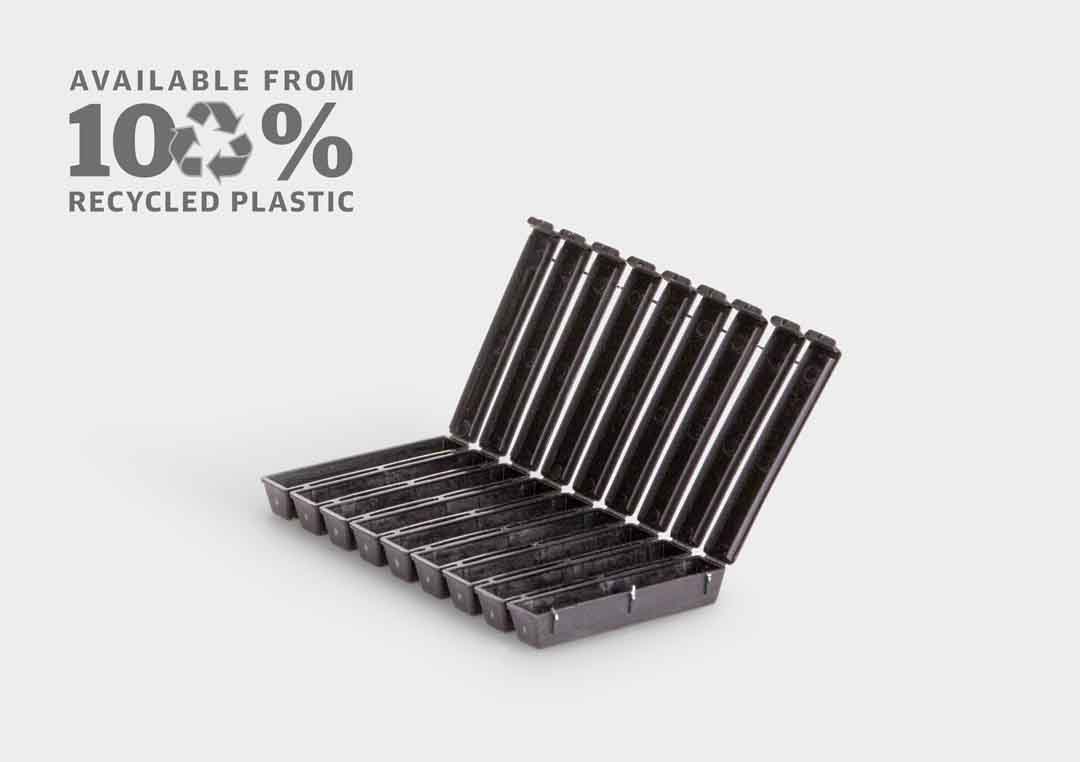
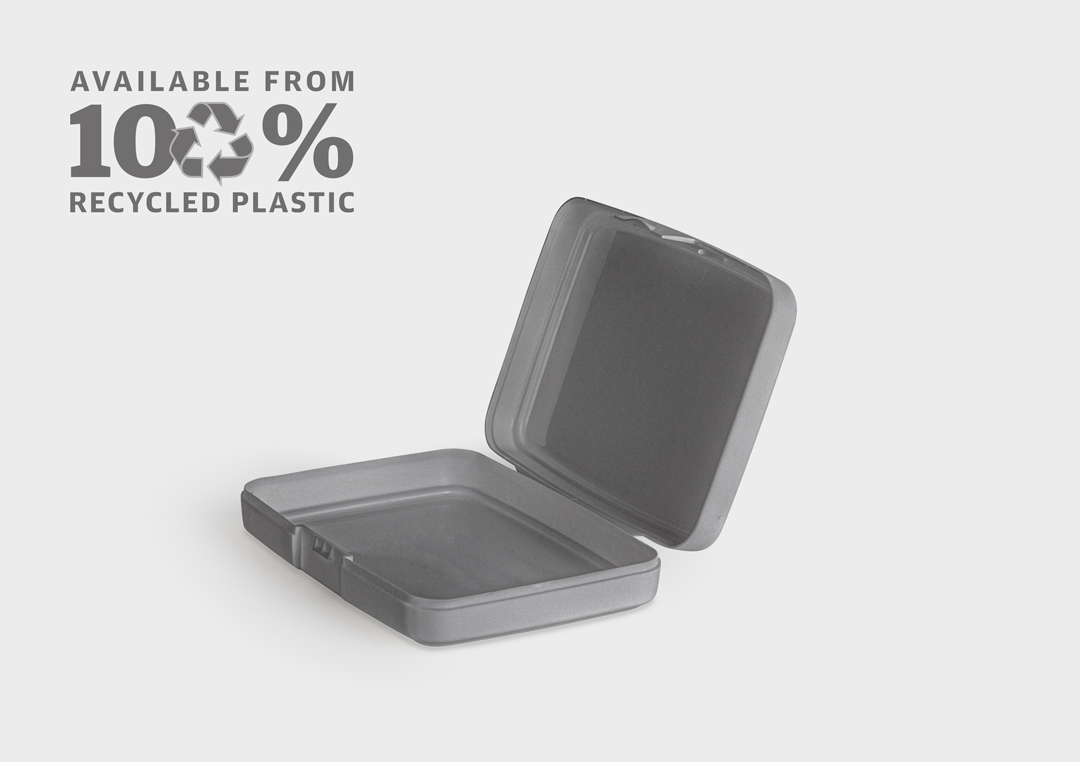
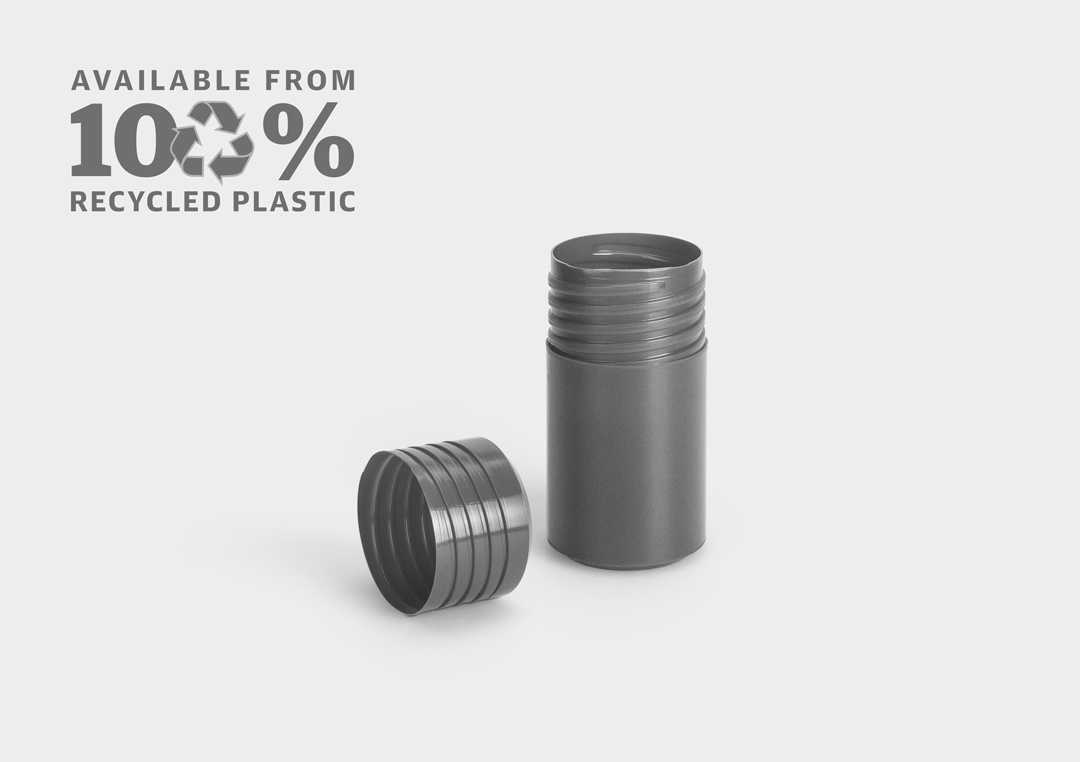
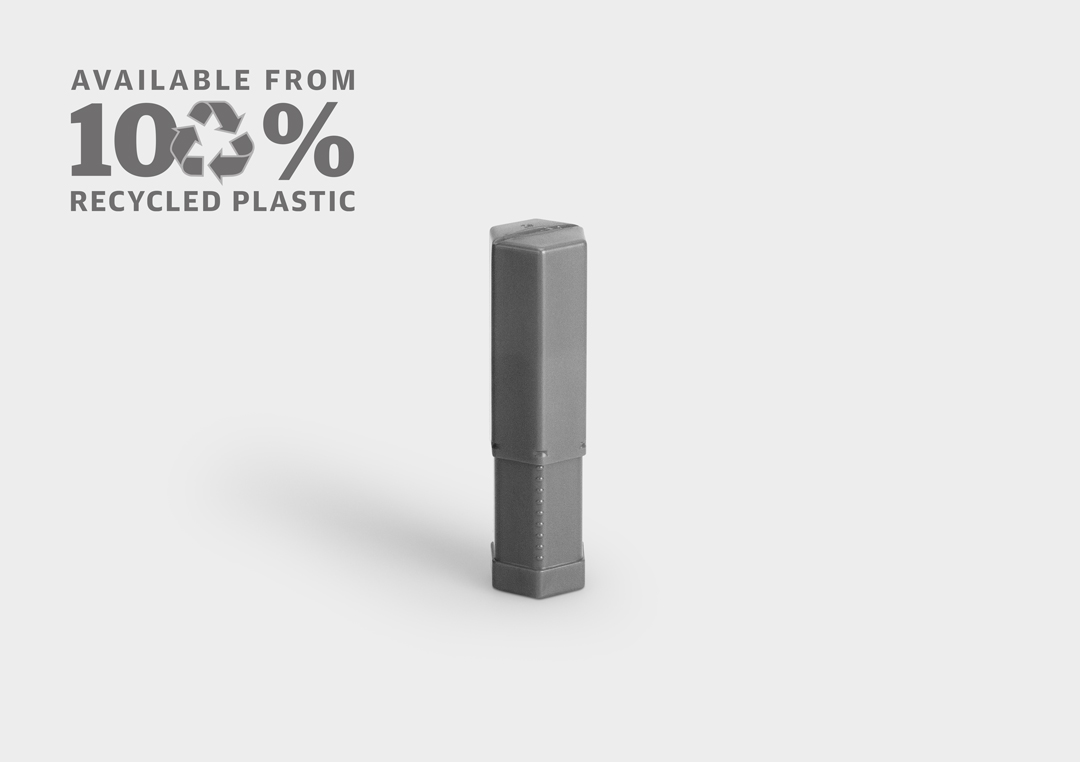
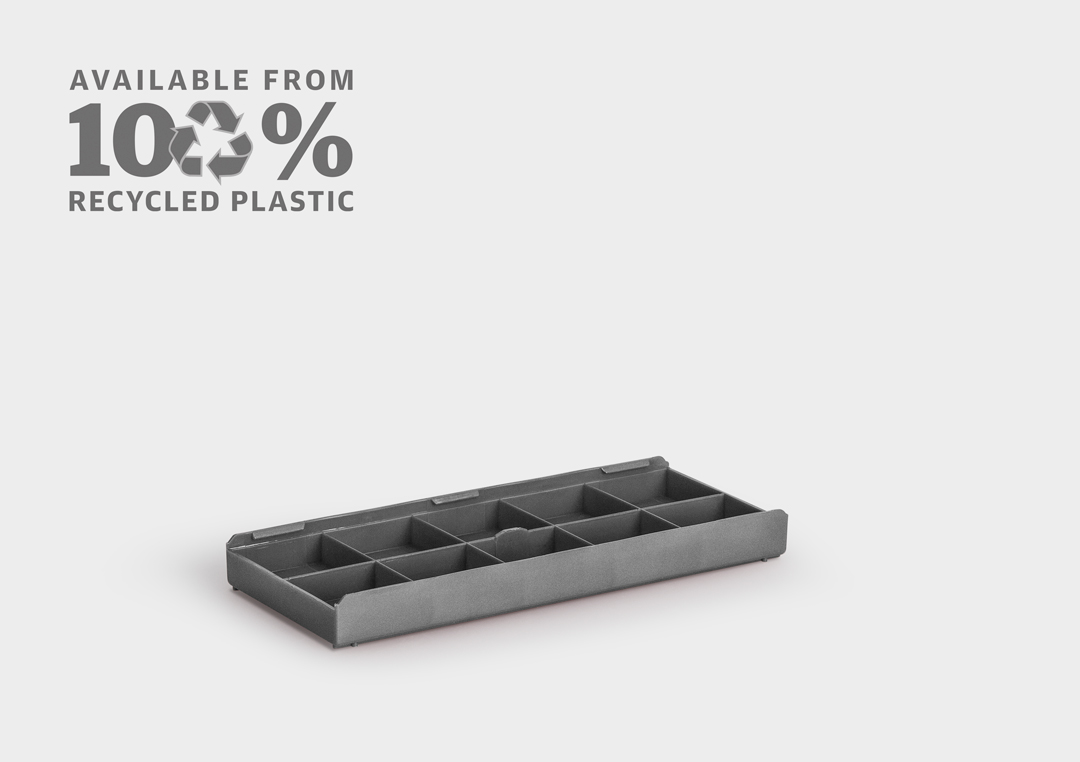
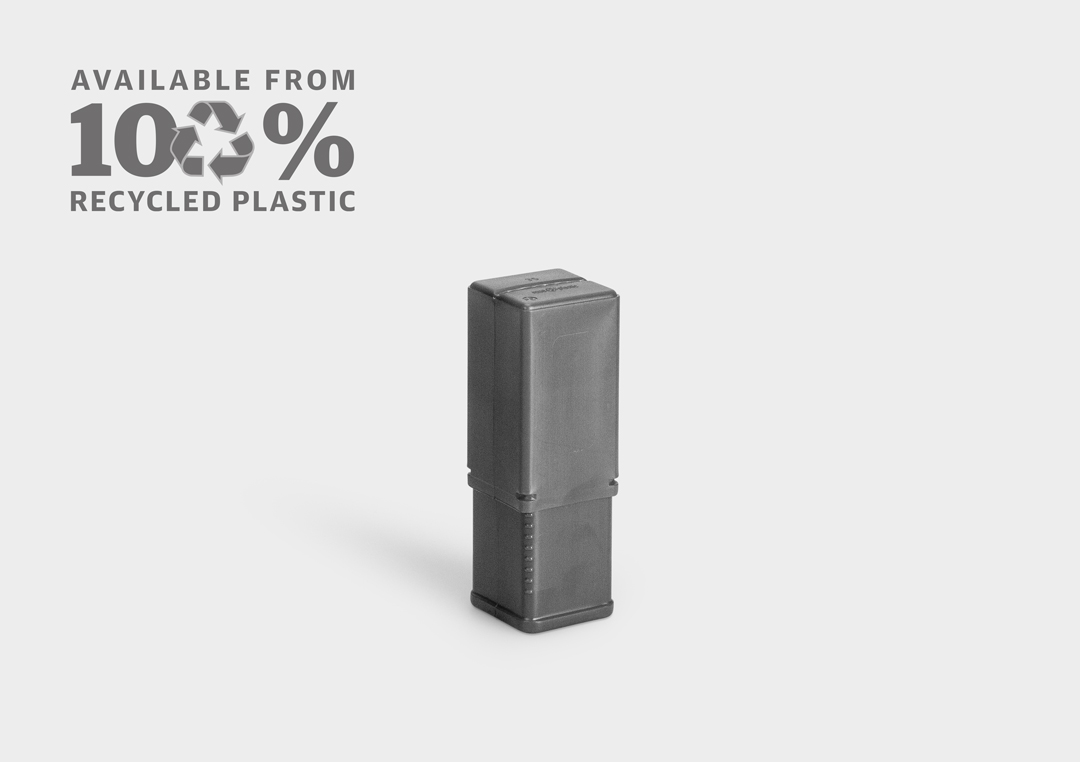
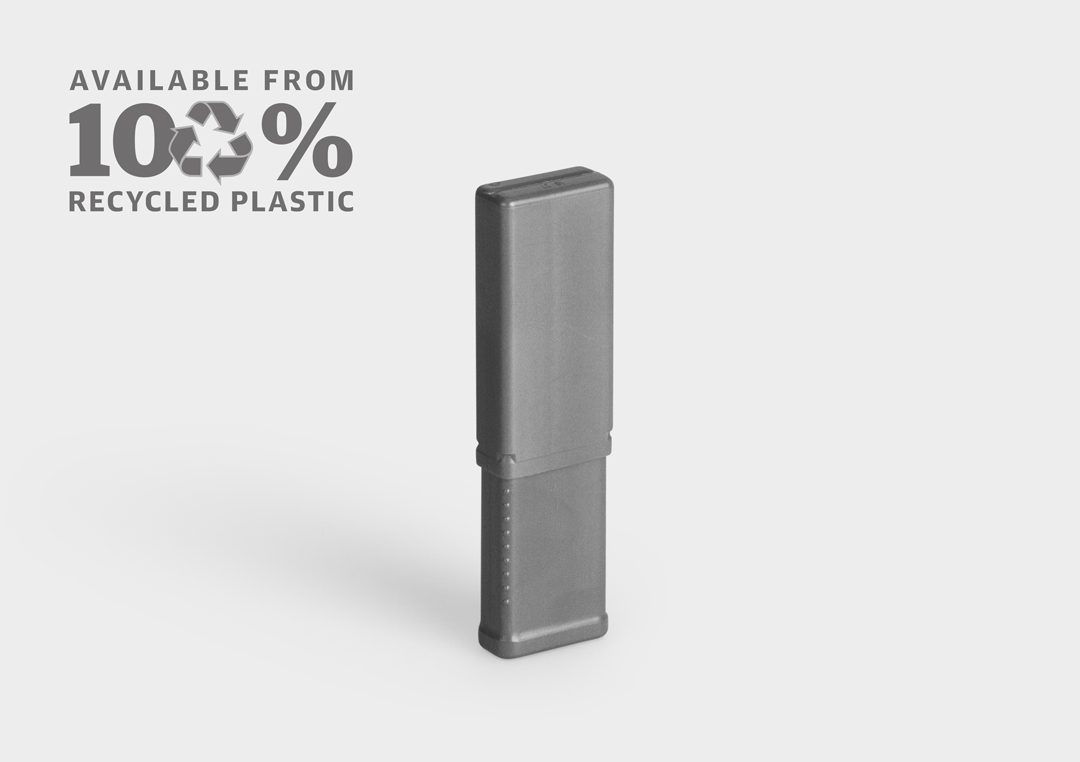
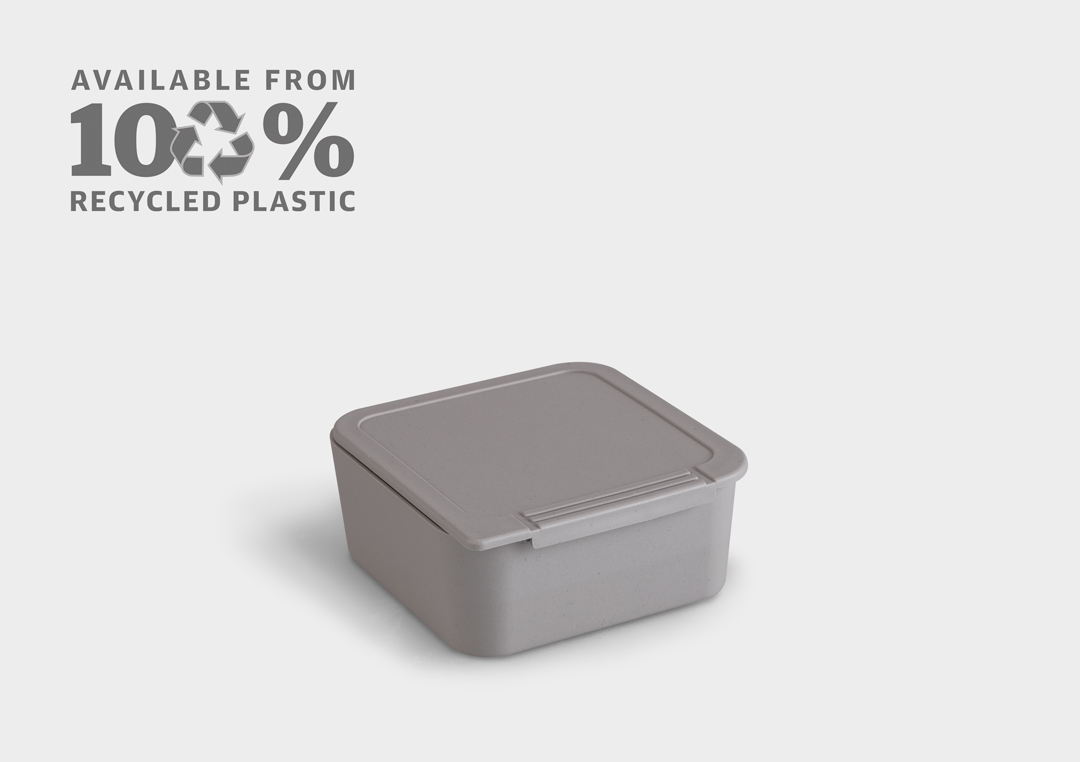
Many of our packaging solutions are available in recycled material on request. This keeps valuable materials in circulation and helps conserve natural resources.

Product protection with recycled material

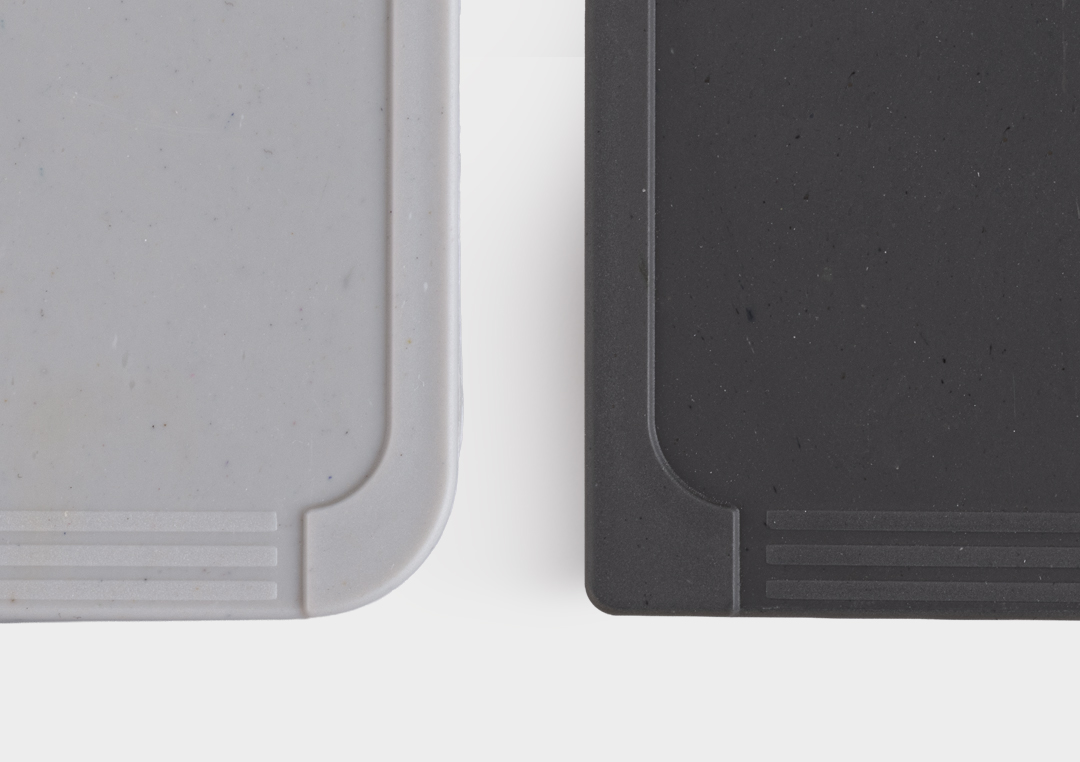
Our packaging reliably protects your products even when made entirely from recycled plastic without compromising stability, functionality, or quality. Recycled material can be just as robust as virgin plastic. Minor visual differences such as small inclusions in the material may be present; however, they do not impair the protective function of the packaging.

The quality of the finished packaging depends heavily on the selected raw material. With this in mind, we invest in quality assurance and testing, and carefully select suitable recycled materials. Depending on the selected raw material, recycled packaging may differ from virgin plastic packaging in both appearance and performance. To ensure that all requirements are met, every material undergoes thorough suitability testing as part of our standardized approval process.

Printing on recycled material

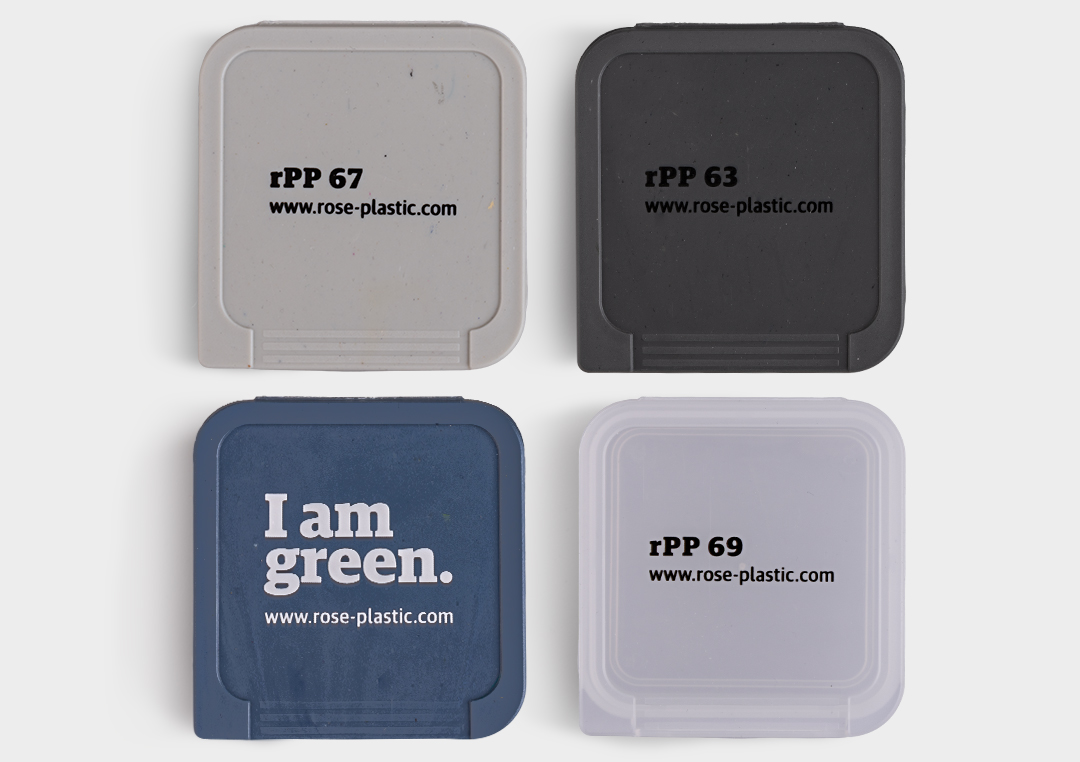
Packaging made from recycled material can also be printed or labeled. This allows brand details, mandatory information, and sustainability messages to be displayed directly on the packaging — depending on the material, surface, and printing method.


Color options with recycled material

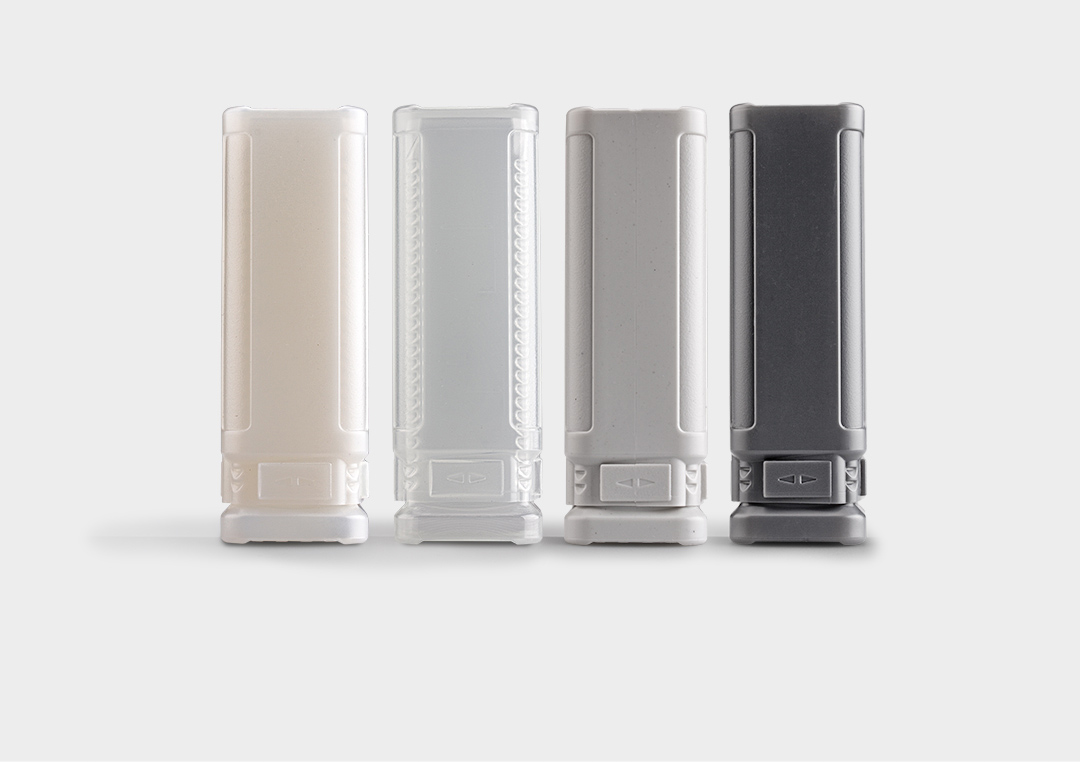
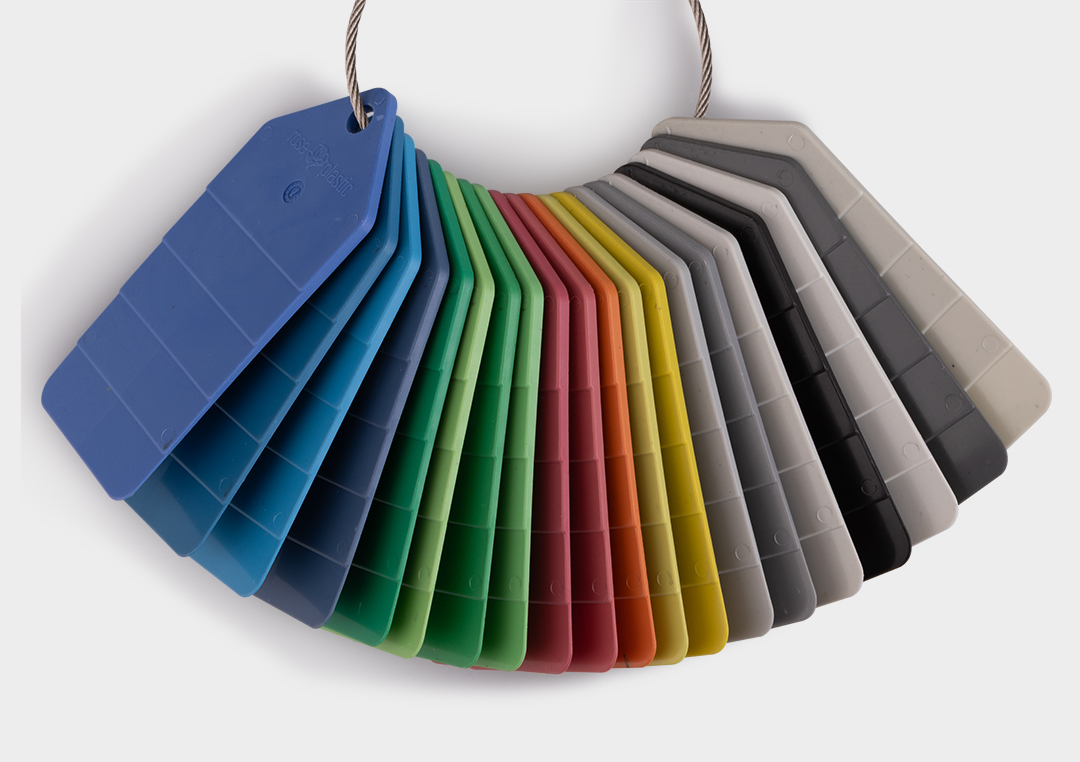
Our packaging made from recycled material is also available in selected standard colors. Because recycled materials come from different sources, the perceived color may vary slightly — a visible sign of their more sustainable origin. We can even tailor our sustainable packaging to match your corporate design on request.
 

Please note that the base color of the recycled material can make certain shades harder to match precisely. Darker base materials in particular limit the available color range. That’s why we select the most suitable recycled material for your color requirements — helping you balance design expectations with sustainability goals. For the most reliable results, we recommend using our standard colors. For color-critical applications, we advise approving a sample before production.

Transparency with recycled material

Recycled materials can also be transparent. However, this limits the choice of input materials to transparent recycled plastic. For this reason, it’s always important to consider whether the application really requires transparent packaging, or whether a label or laser marking, for example, could provide sufficient product visibility.


Best Practices: Find inspiration in our real-world solutions!

Discover new possibilities for your own packaging concepts. Our customers demonstrate various ways to reduce the use of virgin plastic by intelligently combining environmental responsibility with the highest quality standards.

Challenge

  • Switch to sustainable packaging made from recycled material
  • Maintain quality, design, and functionality despite the material change

Solution

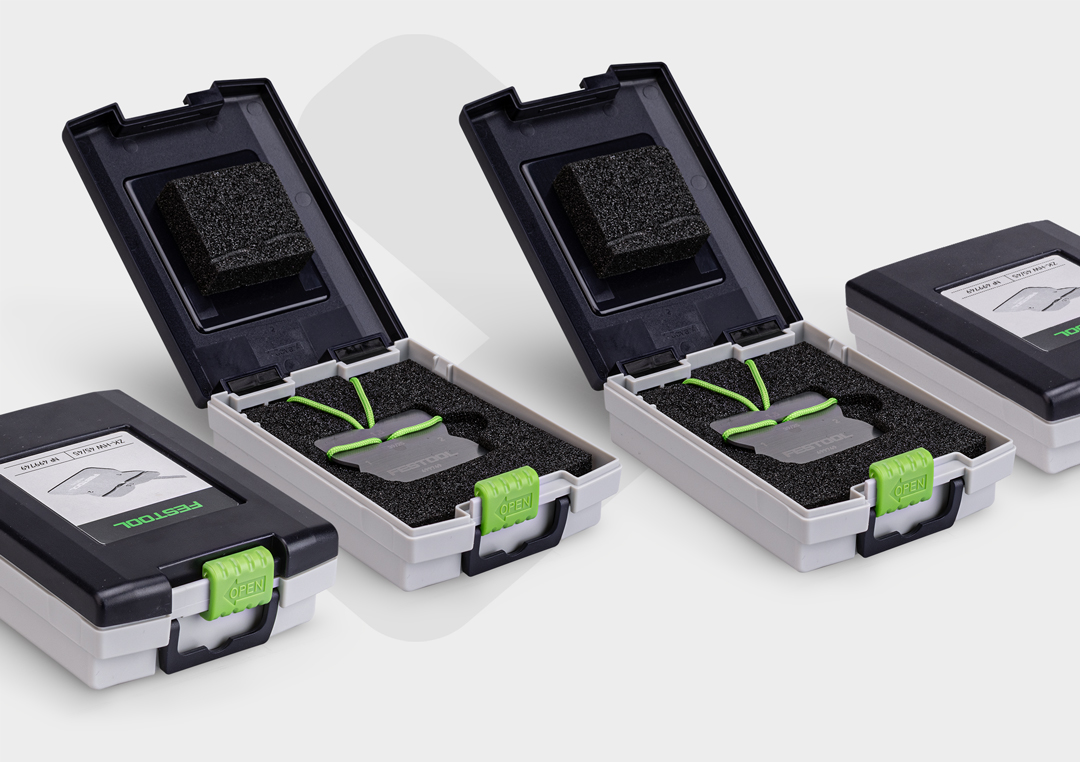
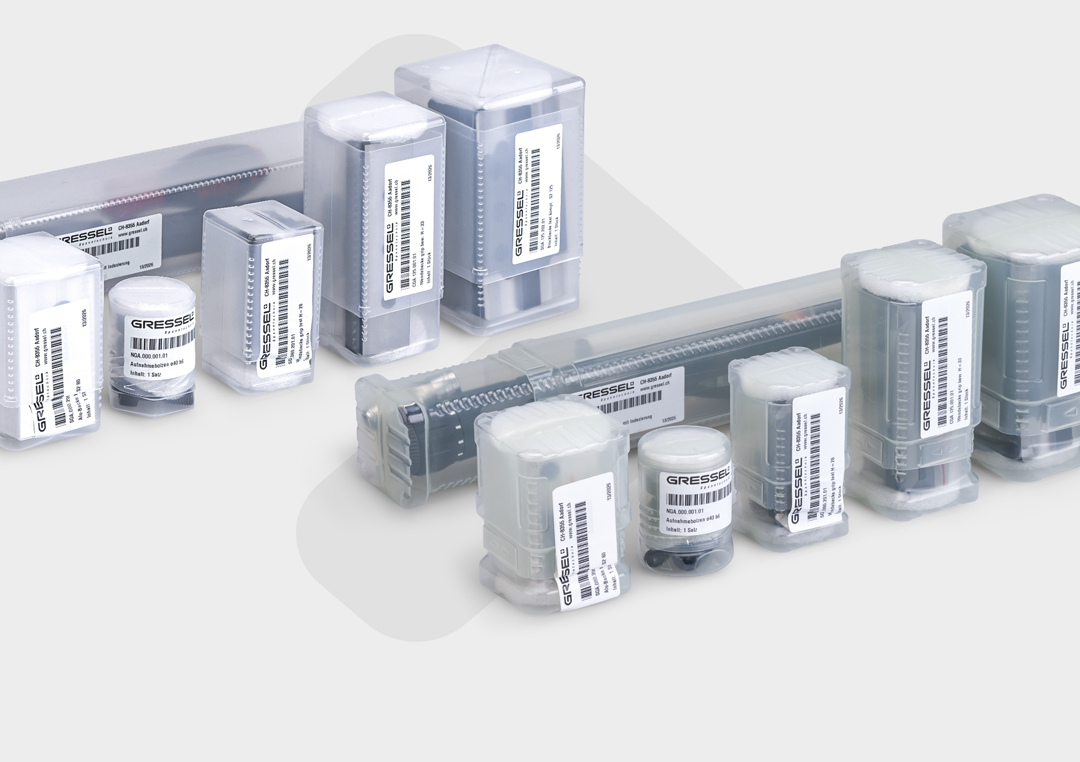
  • RoseBox material changed to recycled ABS
  • High-quality recycled material allows the existing color design to be retained
  • No visible or mechanical differences compared with a RoseBox made from virgin plastic
  • Functionality and quality are maintained without compromise

Challenge

  • Switch the product range to packaging made from recycled material
  • Replace QuadroPack (or TwistPack) with a more modern, more functional solution
  • Optimize handling and ergonomics for multiple products at the same time

Solution

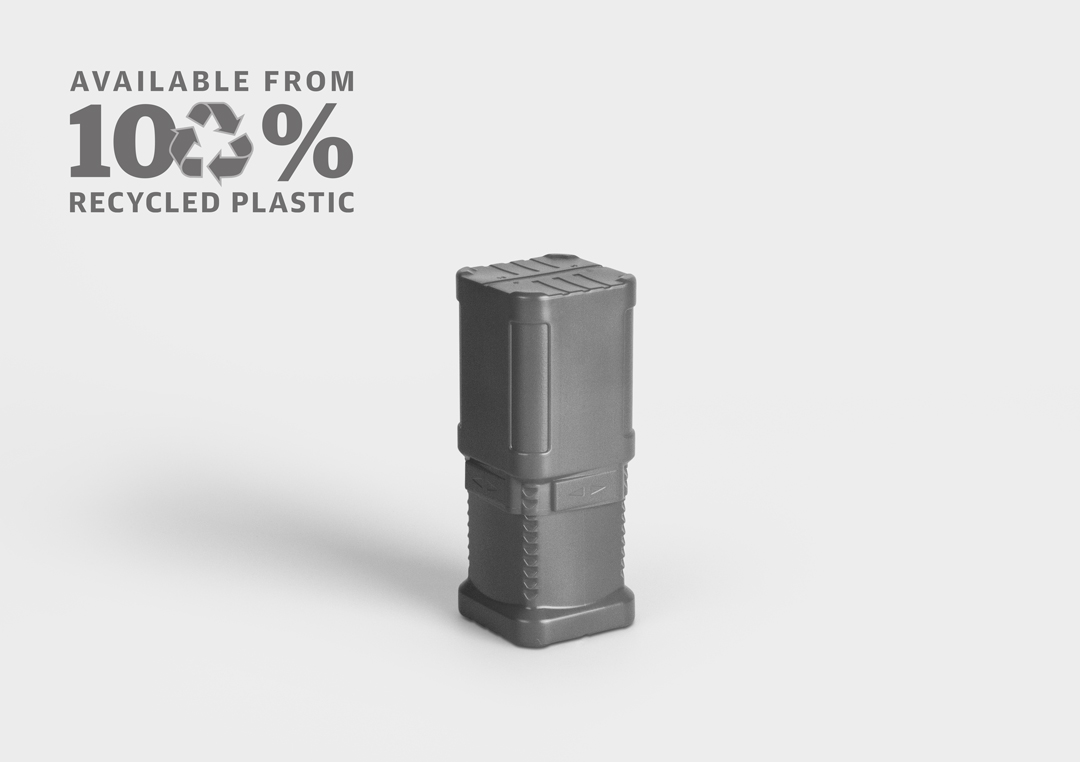
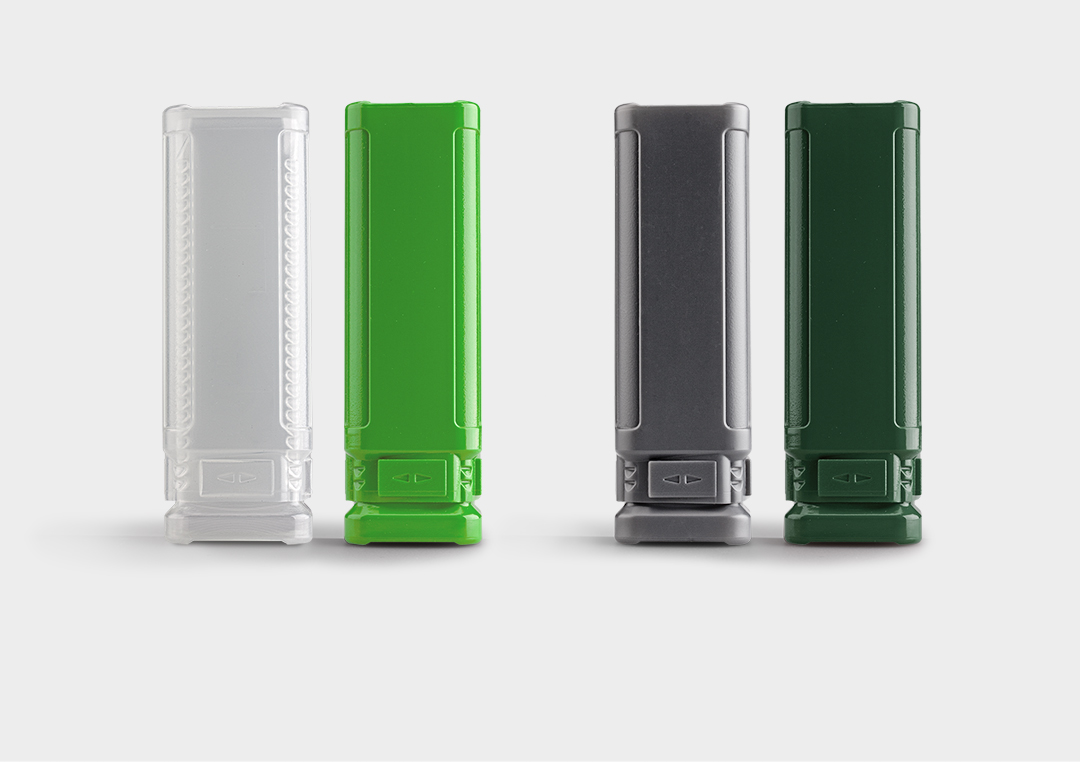
  • Switch to BlockPack (or TwistPack Plus) made from recycled material
  • Added value: easier handling and optimized product protection
  • Special feature: The selected material means the packaging is still slightly transparent
  • Consistent design for a harmonious brand image

Challenge

  • Switch to sustainable packaging made from recycled material
  • Keep the proven packaging and existing processes in place

Solution

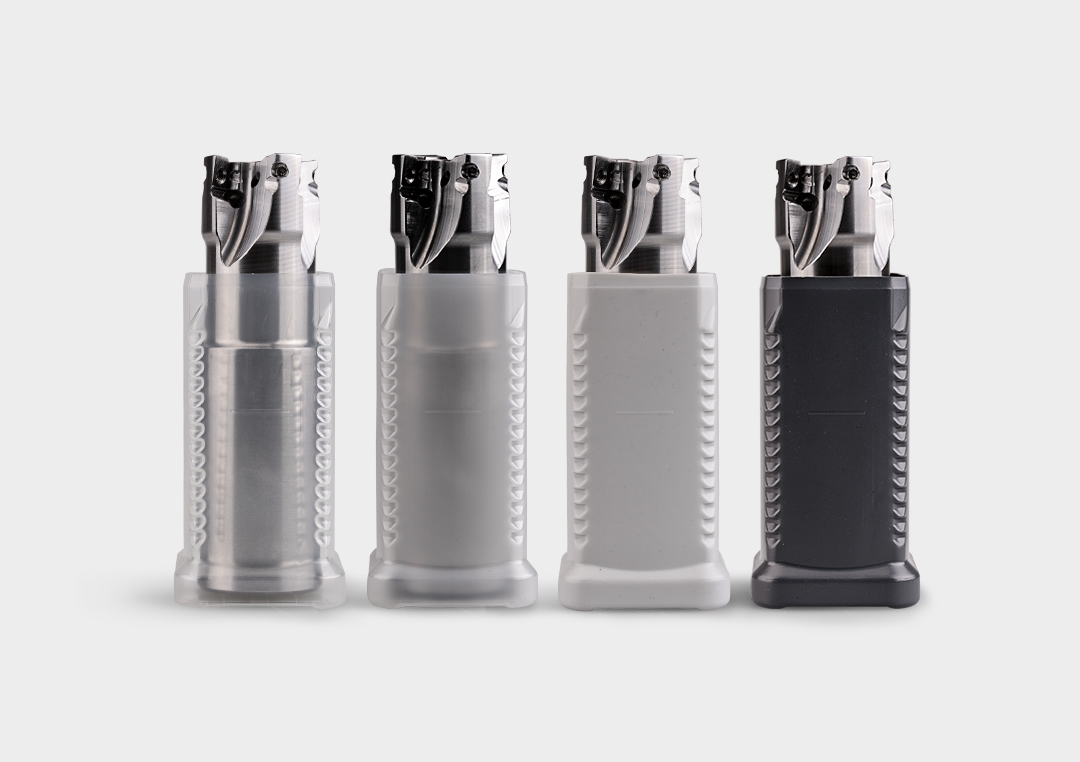
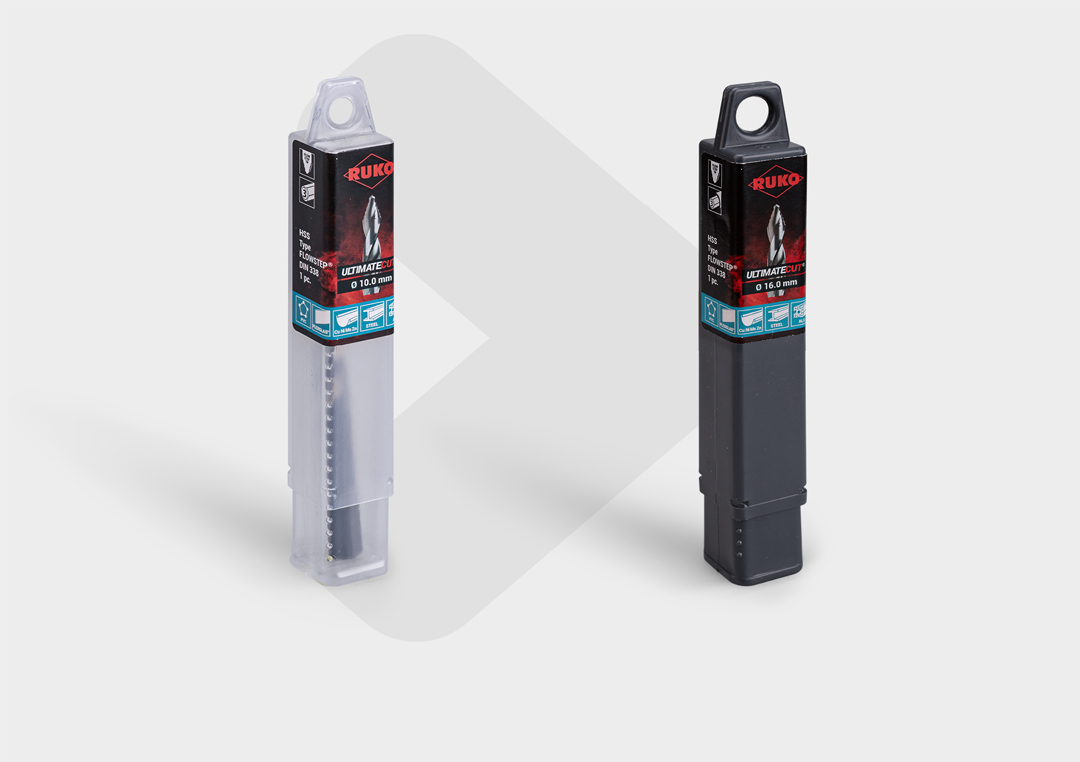
  • QuadroPack made from dark recycled material instead of virgin plastic
  • Full compatibility: labels can be applied as before
  • Maximum reliability: functionality, stability, and quality remain at the expected level

Why we prefer recycled material over bioplastics

Bioplastics are often discussed as a sustainable alternative. In practice, however, assessing them is more complex. The term can refer to bio-based plastics, biodegradable plastics, or materials that combine both properties. Biodegradability does not automatically mean that a material performs well in existing recycling or waste management systems. Depending on the material and application, bioplastics can make sorting more difficult or disrupt established recycling streams. In addition, many biodegradable plastics only break down under specific industrial conditions.

Recycled material, by contrast, makes use of the existing recycling infrastructure, reduces the need for virgin plastic, and supports a functioning material cycle. For this reason, we currently view recycled plastic as the more effective and practical approach.

That said, bioplastics can also be a sensible choice for certain applications. That’s why our product range also includes fully recyclable bioplastics and we would be happy to offer you a suitable solution.

New rules, clear direction: Choose our packaging solutions today and stay ahead of tomorrow’s requirements. Find out more

Discover packaging solutions that bring sustainability and design together.

Packaging & Design

Want to take a closer look at our packaging made from recycled plastic?

Order samples

Do you have any questions about our packaging made from recycled material?

Contact us

×

Looking for medical packaging?

Click here